
Checking Criminal History in Terrebonne Parish
Begin with the Terrebonne Clerk criminal eSearch for filed felony and state-misdemeanor cases. Its criminal index begins September 6, 1994 and requires an account. Pair it with the TPSO online-services gateway for current incarcerations and outstanding warrants. Before searching, collect the full legal name, date of birth when permitted, spelling variants, approximate event year, and any docket, incident, warrant, or BOI number.
- Check the clerk’s Certified Dates, then search the criminal index for filed cases.
- Search TPSO Current Incarcerations and Outstanding Warrants for immediate local status.
- Match carefully by name, date, agency, docket or booking identifier; a name alone is not enough.
- Request the underlying incident report from TPSO or Houma Police and the case file from the clerk.
- Call the clerk at 985-868-5660 for older records or a certified disposition; use LSP LAPS for your own certified statewide history.
If an online result is unavailable, use the fallback chain rather than treating the absence as a clean history. Call JJLCJC at 985-857-0361 for a recent custody change, contact the clerk for an older or image-restricted docket, and send a focused public-record request to the arresting agency. LA VINE adds state and parish custody or community-supervision status and refreshes every 24 hours. Registry searches answer only registration questions. Each channel has a narrower purpose than the phrase “criminal history” suggests.
Four Terrebonne Records, Four Custodians
An incident report, arrest report, booking entry, and court file are separate documents. TPSO or Houma Police creates the first two; the Jerry J. Larpenter Criminal Justice Complex records the booking; and the Terrebonne Clerk records the prosecution. A crash report adds another channel through the Louisiana State Police crash-report search.
| Need | Official channel | Best identifier |
|---|---|---|
| Filed criminal case | Terrebonne Clerk eSearch or counter | Docket number, name, year |
| Current booking or warrant | TPSO CentralSquare gateway | Legal name, BOI or warrant number |
| Incident or arrest narrative | Arresting agency records custodian | Incident number, date, location |
| Own state history | LSP LAPS Right to Review | Identity and fingerprints |
| Custody or supervision status | LA VINE / DPS&C locator | Name and DOB or DPS&C number |
Louisiana Official Background Checks
Louisiana is a closed-record state. The Louisiana Department of Public Safety and Corrections, Office of State Police, BCII-LCJIS maintains LACCH, but the public cannot search another person’s statewide rap sheet by name. The Internet Background Check portal is restricted to users authorized by law. A person reviewing their own record uses the fingerprint-based Louisiana Applicant Processing System Right to Review route.
The LSP BCII page explains LACCH and Right to Review. The electronic result arrives through a one-time secure link, must be printed from a computer, cannot be downloaded on a mobile device, and expires after 30 days. The mailed certified result is signed, embossed, and marked “True Copy.”
LACCH contains Louisiana arrests, reported dispositions, probation or parole bookings, and incarceration information linked through fingerprints. It does not include other states’ histories. The FBI Identity History Summary is a separate subject-only federal process, so neither the parish portals nor an LSP Right to Review should be described as a national record.
The official BCII source shows where fingerprint-linked Louisiana records are kept.
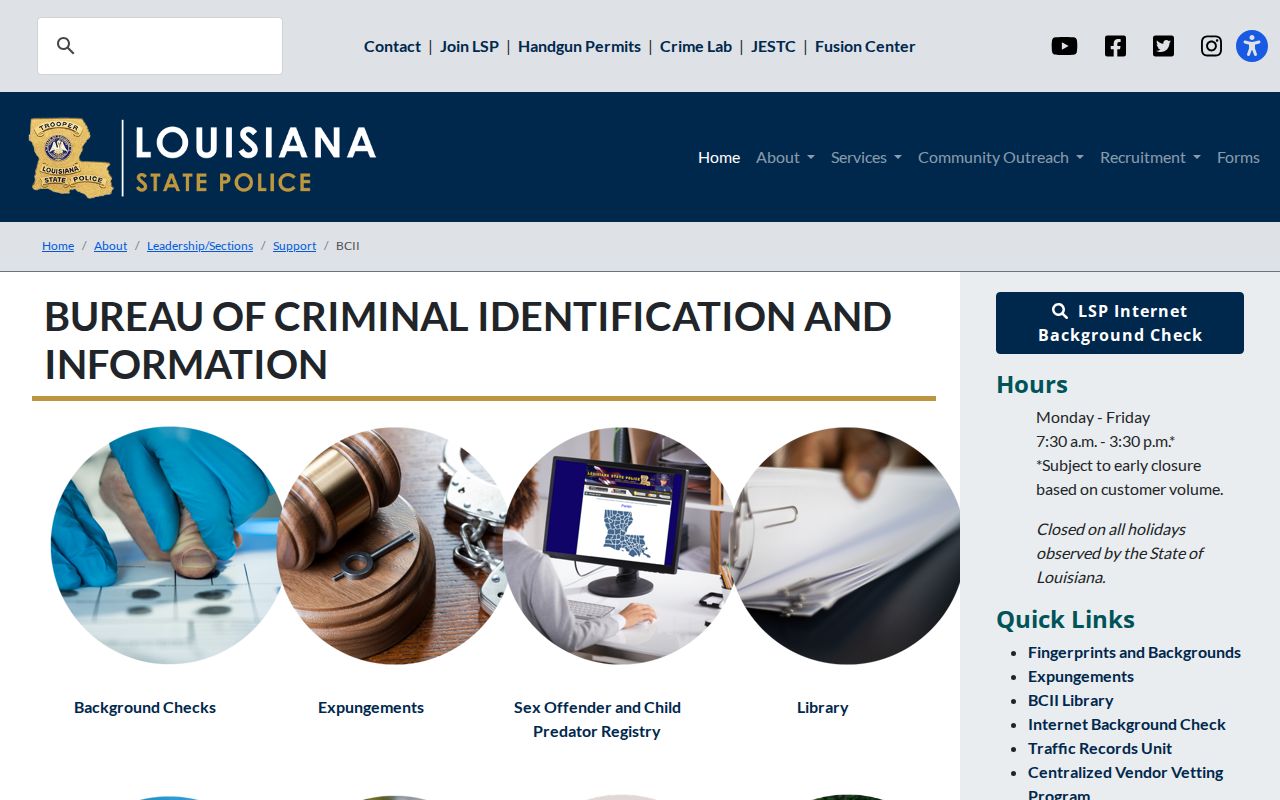
That state record is distinct from the public Terrebonne court and jail searches.
Right to Review Through Louisiana LAPS
Schedule at a statewide LAPS digital fingerprint site and select mailed or electronic delivery. If the subject physically cannot appear, LSP accepts two FBI FD-258 cards with its authorization and disclosure forms. The September 2024 Right-to-Review Authorization form states a $31 mail fee, plus $10 when fingerprints are taken at LSP headquarters; LSP also announced a $5 technology fee effective December 1, 2024. Confirm the displayed total when scheduling.
| Service | Published amount or status |
|---|---|
| Mailed Right to Review | $31 |
| LSP headquarters fingerprints | $10 additional |
| LSP technology fee | $5 effective December 1, 2024 |
| Jail letter of incarceration | $15 per incarceration |
| Expungement charges | Maximum $550; exemptions apply |
The authorization form itself illustrates the identity, delivery, signature, fingerprint-card, representative, and payment information the mail route requires.
Use protected personal details only in the official LSP process, not in ordinary public portal searches.
Criminal Record Types
Terrebonne records describe different stages rather than one universal file. Use the record that answers the actual question.
- Arrest and booking record
- Agency allegations, booking identifiers, custody and bond information; see the Arrest Lookup.
- Criminal court case
- Filed charges, motions, minutes, disposition and sentence held by the clerk; use Criminal Court Cases.
- LACCH history
- Fingerprint-linked Louisiana arrest cycles and outcomes reported to BCII, available to the subject through Right to Review.
- Warrant entry
- Local enforcement information that may lag a new issue or judicial recall.
- Registry profile
- Statutory registration information, not a general criminal-history report; use the Sex Offender Search.
JJLCJC, TPCJC, and the Terrebonne Jail
These names generally point to the same custody facility at 3211 Grand Caillou Road: the Jerry J. Larpenter Criminal Justice Complex, Terrebonne Parish Criminal Justice Complex, and Terrebonne Criminal Justice Complex. TPSO supplies the warden and custody staff, while parish government provides building maintenance, education, and medical functions. The 2026 parish budget describes round-the-clock medical coverage with ten full-time nurses or EMTs plus contract support. A booking request therefore goes to TPSO; confidential medical information does not become a booking record.
The adjacent Transitional Work Program is at 3181 Grand Caillou Road and can be reached at 985-917-5253. Inmate mail may use a separate Bossier City processing address, while money-order instructions identify the physical Houma jail. Those mailing rules do not change the record custodian. A $15 letter of incarceration is obtained through TPCJC, and current instructions should be confirmed before sending funds or correspondence.
The official Terrebonne Parish Sheriff’s Office, led by Sheriff Timothy Soignet, is the local starting point for custody and warrant services.

Its public gateway should be read as current local status, not as a complete lifetime record.
Inside a Terrebonne Parish Criminal Record
Fields vary by custodian and stage. A court disposition carries different meaning from an arrest-stage charge, and public copies omit protected information.
| Name & Identifiers | Legal name, aliases, DOB or limited descriptors, plus docket, BOI, incident, or state transaction numbers. |
|---|---|
| Arrest / Booking Data | Date, arresting agency, alleged charge, booking facility, bond, release or transfer. |
| Charges & Statutes | Booking descriptions or the later statute and charge actually filed by the district attorney. |
| Disposition | Dismissal, acquittal, plea, conviction, or other case outcome shown by court minutes. |
| Sentence | Custody, fine, probation and other terms imposed by the 32nd JDC or City Court. |
| Custody / Supervision | Current location, release status, or state probation/parole status where lawfully public. |
Louisiana offenses are defined chiefly by individual statutes rather than a universal A/B/C class table. A felony is generally an offense punishable by death or imprisonment at hard labor; other offenses are misdemeanors. Consequently, read the cited statute and filed court charge rather than relying on a short portal label. The booking description can be amended after district-attorney screening, and the sentence minutes—not the original allegation—show what the court imposed.
When LACCH Has No Disposition
A dismissal in the clerk file does not automatically repair the state history. LSP warns that arrest events can lack reported outcomes. For your own record, obtain an original, unaltered certified court or district-attorney document showing the matching name, date of birth, arrest date within one day, original and amended charges, verdict, and sentence. Submit it through the BCII correction process. Do not infer an outcome merely because a portal result disappeared.
Matching matters: a booking charge can change during prosecutor screening. Use the docket’s filed charge and certified disposition when correcting the fingerprint-linked record.
The 32nd JDC District Attorney’s Office screens arrest reports before charges are filed. A TPSO booking can therefore exist before a matching docket is visible, or the docket can carry a different statute. District 32 Public Defender reported 2,328 individuals represented in calendar 2025 across two courts and six divisions, useful context for why recent events move through separate offices and systems at different speeds.
Public Access Laws in Louisiana
The Louisiana Public Records Law generally supports access to existing nonexempt government records, but criminal-history dissemination, juvenile data, active investigations, victim identifiers, medical information, and expunged material have separate limits. Send a narrow request to the actual custodian and ask for an estimate before duplication charges exceed a stated ceiling.
A useful request identifies the agency or unit, record type, incident or booking number if known, date and time range, location, subject, preferred electronic or paper format, and requester contact. Ask for an existing record rather than an explanation or a newly compiled report. TPSO holds its reports and jail information; HPD holds its reports; the clerk holds filed cases; and TPCG E-911 may hold call or CAD material. Parish and HPD requests can go to publicinfo@tpcg.org or Government Tower, Suite 705.
Key Statutes:
La. R.S. 44:1 et seq. — establishes Louisiana’s public-record access framework and exemptions.
La. R.S. 15:578 — assigns BCII duties for the central criminal-history system.
Code Crim. Proc. art. 971 — explains that expungement restricts public access without destroying the record.
Code Crim. Proc. art. 983 — governs expungement costs and statutory exemptions.
La. R.S. 15:542.1.5 — sets public registry content, search, notification, and agency duties.
The Louisiana DPS public-records portal is a request channel for existing DPS/LSP records; production charges and exemptions can still apply.
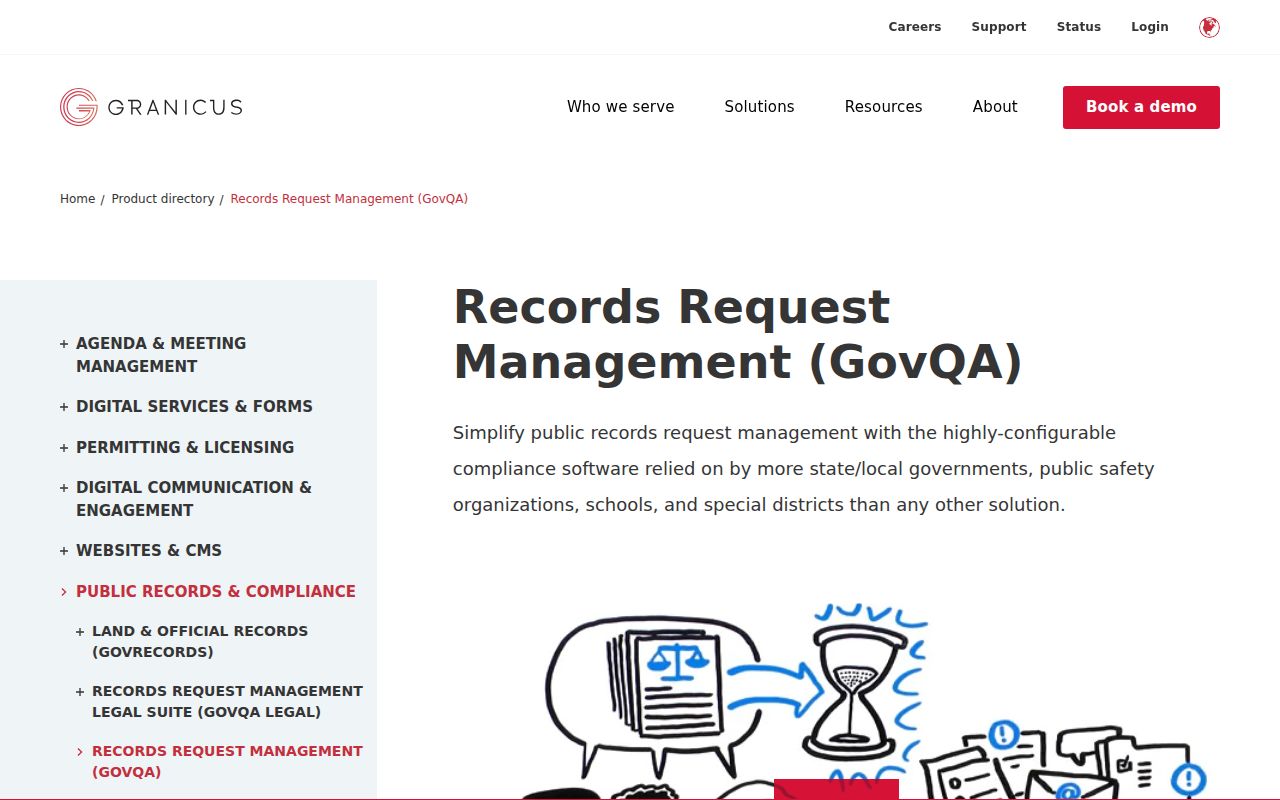
Parish and municipal reports must still go to TPSO, HPD, the clerk, or the other local custodian rather than this state portal.
The Bobby Boudreaux Courthouse Divide
The Clerk of Court works in the I. Robert “Bobby” Boudreaux Courthouse Building at 7856 Main Street. Terrebonne named the old courthouse for Boudreaux in 2018; his elected clerk service ran from 1963 through 2012 after public service begun in 1950. That long paper-record period helps explain the digital boundary: criminal eSearch certification starts September 6, 1994. For an older case, call 985-868-5660 with the name and approximate year and ask staff about legacy media, division, copies, and certification.
The protected eSearch screen requires a User ID and case-sensitive password and provides account creation, password recovery, and a Certified Dates link. The clerk lists HTML5, cookies, JavaScript, enabled pop-ups, Adobe Reader, and a desktop-class resolution among its requirements. A blocked pop-up can look like a missing document. The six divisions of the 32nd Judicial District Court handle felony and state-misdemeanor matters, while Houma City Court handles matters within city-court jurisdiction.
Terrebonne Clerk of Court
I. Robert “Bobby” Boudreaux Courthouse
7856 Main Street
Houma, LA 70360
985-868-5660
JJLCJC / TPCJC
3211 Grand Caillou Road
Houma, LA 70363
985-857-0361
TPCG Public Information
Government Tower, Suite 705
8026 Main Street
Houma, LA
985-873-6403
Weekdays 8:00–4:30
Sealed, Expunged, and Restricted Records
Louisiana expungement under Code of Criminal Procedure article 971 et seq. removes a qualifying record from public access but does not destroy it. Law-enforcement and other statutorily authorized agencies can retain access. Article 983 generally caps charges at $550, with exemptions and a statutory fee-waiver certification process under article 988. Eligibility and waiting periods depend on the offense and outcome, and 2024 legislation added expedited and immediate procedures in specified circumstances.
Juvenile records are confidential, and active-investigation, victim, medical, security, and personal-identifier material may be withheld or redacted. A portal’s silence is not proof that a record never existed: it may be older than the index, delayed, restricted, expunged, held elsewhere, or searched under a different spelling.
After an expungement order, verify each public-facing source and your own LACCH history rather than assuming every system changed simultaneously. If a stale state entry lacks the outcome, use the certified-disposition correction route. Article 971’s restriction is not physical destruction, so authorized access can remain even when the public search no longer returns the case.
Finding Records After Storm Displacement
Terrebonne’s July 2025 population estimate was 104,163, down 5.0% from the 2020 estimates base. Hurricane displacement and office changes make record dates important: an older Houma-area address should not be treated as current without checking the entry date and official channel. Confirm addresses, counter hours, portal availability, registry residences, and custody status before travel or reliance. Bayou Cane, Gray, Schriever, Bourg, Chauvin, Montegut, and Dulac are not incorporated cities; searches for those communities generally route through Terrebonne Parish and TPSO rather than a nonexistent municipal police agency.
Government Tower and Houma Police publish weekday hours of 8:00 a.m. to 4:30 p.m., but a current general clerk counter schedule, parking validation, electronics policy, and locker availability were not established in the official research. Call before traveling, bring identification, allow time for courthouse security, and ask whether the requested file can be inspected electronically. This is especially useful for residents traveling from lower-bayou communities.
Federal Cases From Terrebonne Parish
Federal prosecutions are separate from the 32nd JDC. Terrebonne lies in the U.S. District Court for the Eastern District of Louisiana, and filed federal dockets are accessed through PACER. The Eastern District’s official site supplies court information.
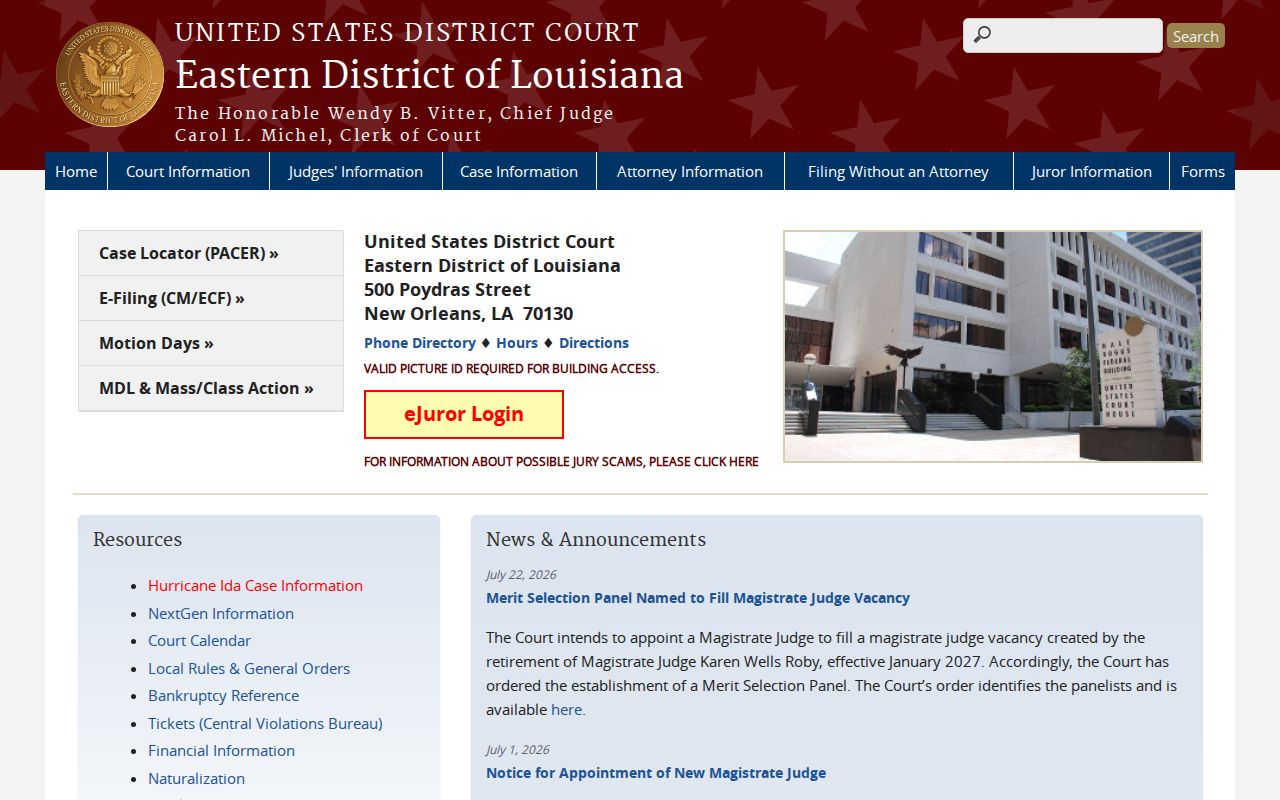
A federal matter will not necessarily appear in Terrebonne Clerk eSearch.
PACER requires an account and applies federal access charges under its current policy.
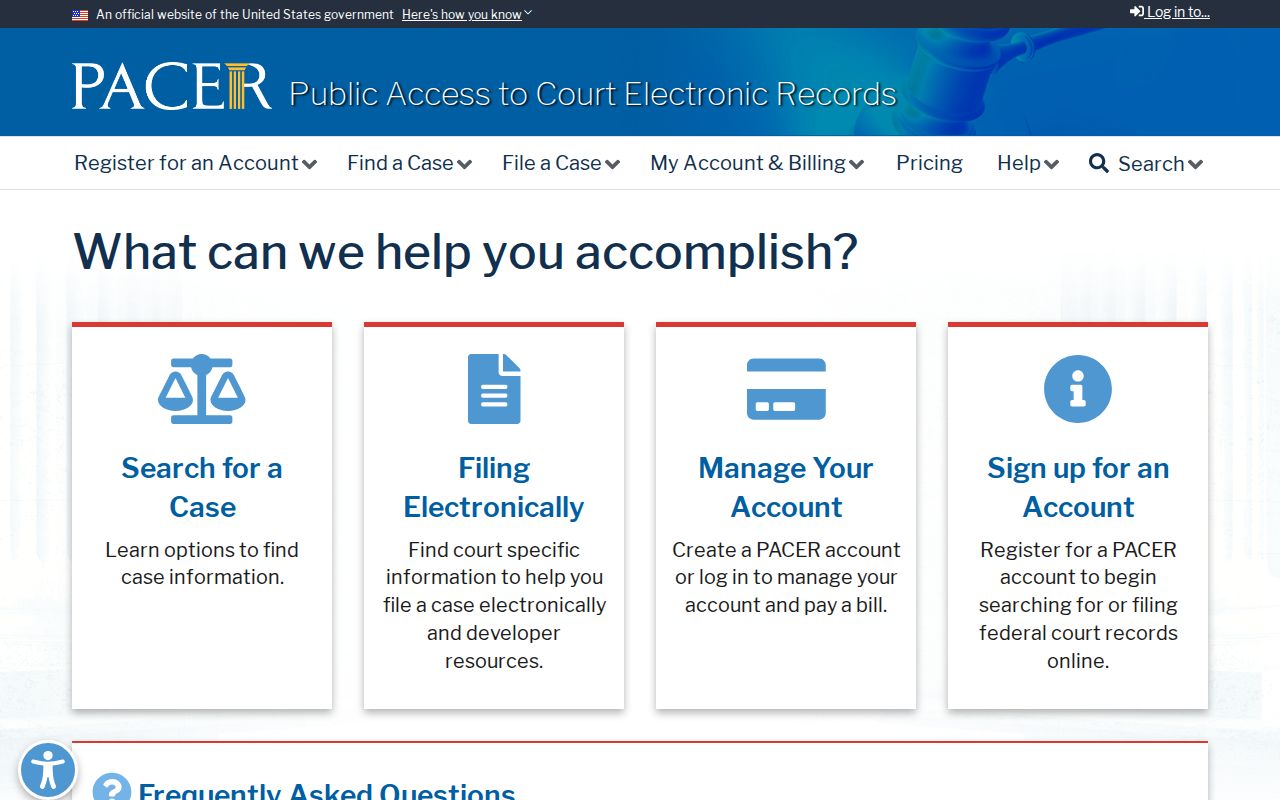
Use PACER for the docket and filed documents, then the federal Bureau of Prisons locator when the question concerns federal custody.
Terrebonne Parish Criminal Records by City
Houma is the parish seat and Terrebonne’s only incorporated municipality. Houma Police creates its own incident and arrest reports, while parish jail bookings go to JJLCJC and district felony cases go to the 32nd JDC. Unincorporated communities remain parish searches rather than additional city guides.
Houma Criminal Records
33,406 residents in the 2020 Census · HPD reports, parish bookings, Houma City Court, and 32nd JDC routing.
Houma’s consolidated city-parish government can make agency labels confusing: HPD operates within the consolidated structure, while TPSO remains an independently elected sheriff and jail custodian. Government Tower is the public-information office, not the criminal courthouse, and the jail is on Grand Caillou Road. A city arrest can require an HPD report request, a TPSO booking check, and a clerk or City Court inquiry.
Crash Reports Are a Separate Search
An LSP crash record is not an incident narrative, booking, or court case. The official search accepts a case number, driver-license number, license plate, or involved-party surname. The LSP crash-report portal shows that dedicated access path.
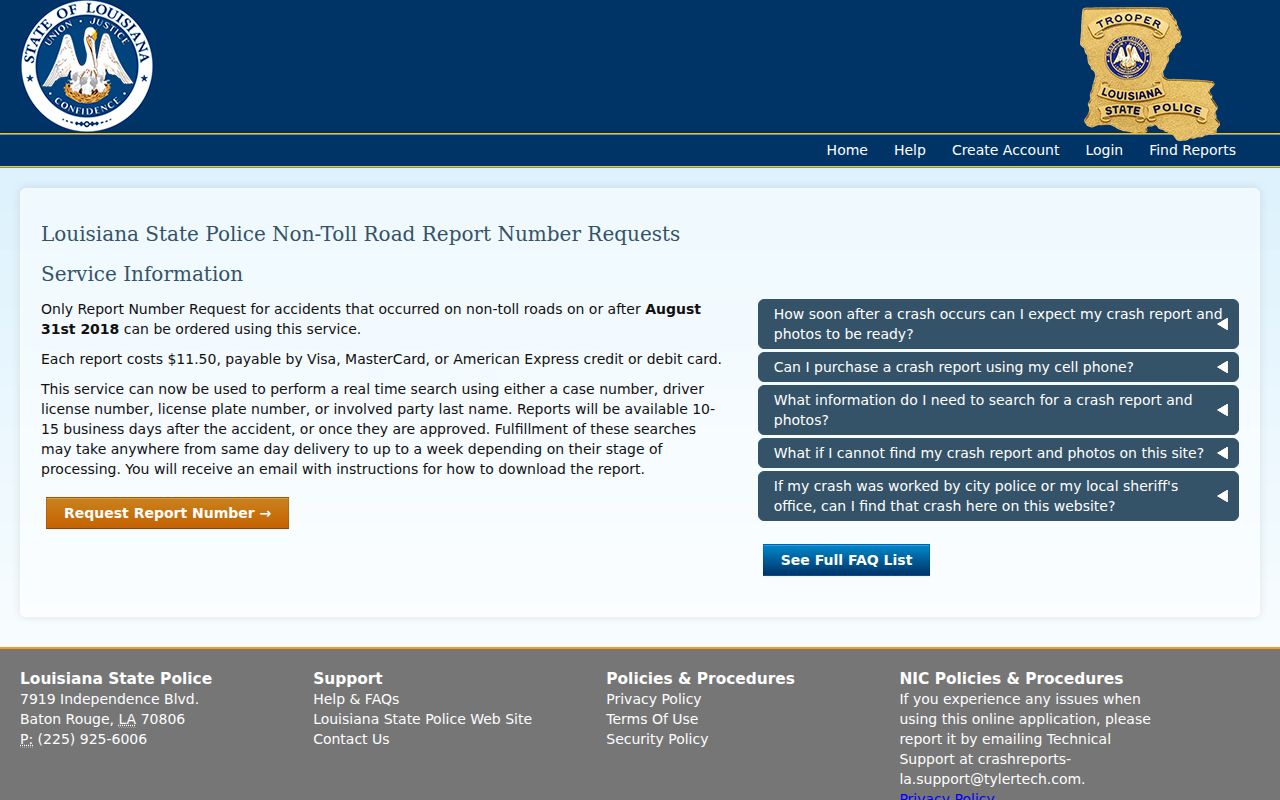
If a crash also led to an arrest or prosecution, request those records separately from the arresting agency and clerk.